
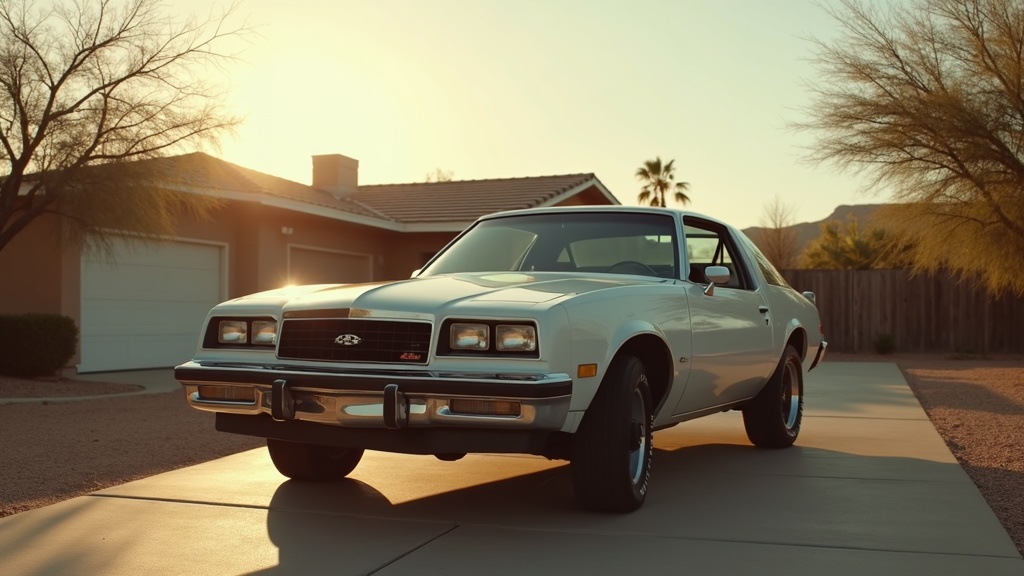
Your car was repaired properly. The panels line up, the paint matches, it drives fine. It is still worth less than it was, because the accident is now on its history report forever.
That difference has a name, diminished value, and in Arizona you can claim it from the at-fault driver’s insurer. Most people never do, because nobody tells them it exists.
What diminished value actually is
It is the gap between what your vehicle was worth immediately before the crash and what it is worth after repairs are complete. A buyer paying for a used car checks the history, sees a reported accident, and offers less. That is not sentiment, it is market behaviour, and it is measurable.
The effect is largest on newer vehicles, on vehicles with structural repair, and on models where buyers have plenty of alternatives.
Who you claim it from
The at-fault driver’s property damage liability coverage. This is a third party claim, which matters: Arizona insurers generally do not owe diminished value to their own policyholders on a first party claim unless the policy says so.
So if the other driver caused the crash, this is available. If you caused it, usually not.
Proving it
An adjuster’s first response is often that the repair restored the vehicle, so there is no loss. The counter is evidence.
A dealer appraisal or an independent diminished value assessment establishes the before and after figures. Comparable listings for the same model with and without accident history support it. The repair invoice showing structural or frame work matters, because that is what buyers discount hardest.
Why the property damage settlement traps people
The property damage release is frequently signed early, while the injury claim is still open, because people want their car sorted. If that release covers all property damage claims, the diminished value claim goes with it.
Read what you are signing, or have someone read it. This is one of the few places where a few minutes of attention translates directly into money.
What affects the size of the loss
Age and mileage first. A three year old vehicle with forty thousand miles loses far more proportionally than a twelve year old one, because the buyer pool is different and alternatives are plentiful.
Then the type of repair. Cosmetic panel work barely moves the number. Structural or frame repair moves it hard, because that is what shows up in an inspection and what buyers and dealers discount most aggressively.
Then the make. Models with strong resale and a large supply of clean examples see the biggest gap, because a buyer can simply choose the one with no history.
The deadline
Arizona allows two years for property damage claims under A.R.S. § 12-542, the same window as injury claims. Practically, the claim is easiest to make soon after repairs are complete, while appraisals reflect current condition and comparables are current.
Worth the effort?
On an older high mileage vehicle, often not. On a two year old vehicle with frame repair, the figure can run into thousands. The way to know is to get an appraisal before assuming the answer, because the insurer will not volunteer the number.
If you were hurt in Arizona, talk to us before you talk to the insurance adjuster. The case review is free and there is no obligation. Call (480) 937-2116
Free Case Review
Share a few details about what happened. There is no obligation to move forward.