Sources reviewed September 1, 2026. This page provides general information, not legal advice.
1. Address immediate safety and medical needs
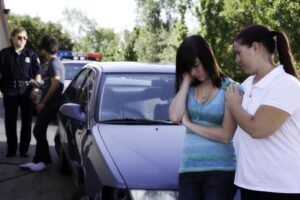
Do not treat an online checklist as a substitute for emergency instructions. If someone needs urgent medical help, call 911. Keep yourself, passengers, and others away from active traffic when possible. Arizona’s current Driver License Manual says a driver involved in a crash should remain at the scene, provide assistance to an injured person, and exchange information with the other drivers. It also says to call 911 for an injury crash.
The first minutes are for safety, not for reconstructing every fact. A serious injury, a fire risk, a blocked lane, or an instruction from emergency personnel can change what is appropriate. Follow the instructions given at the scene. Later, record what you personally observed while the details are still clear, separating that from information you learn afterward.
2. For a minor, non-injury crash, use quick clearance only when it is safe
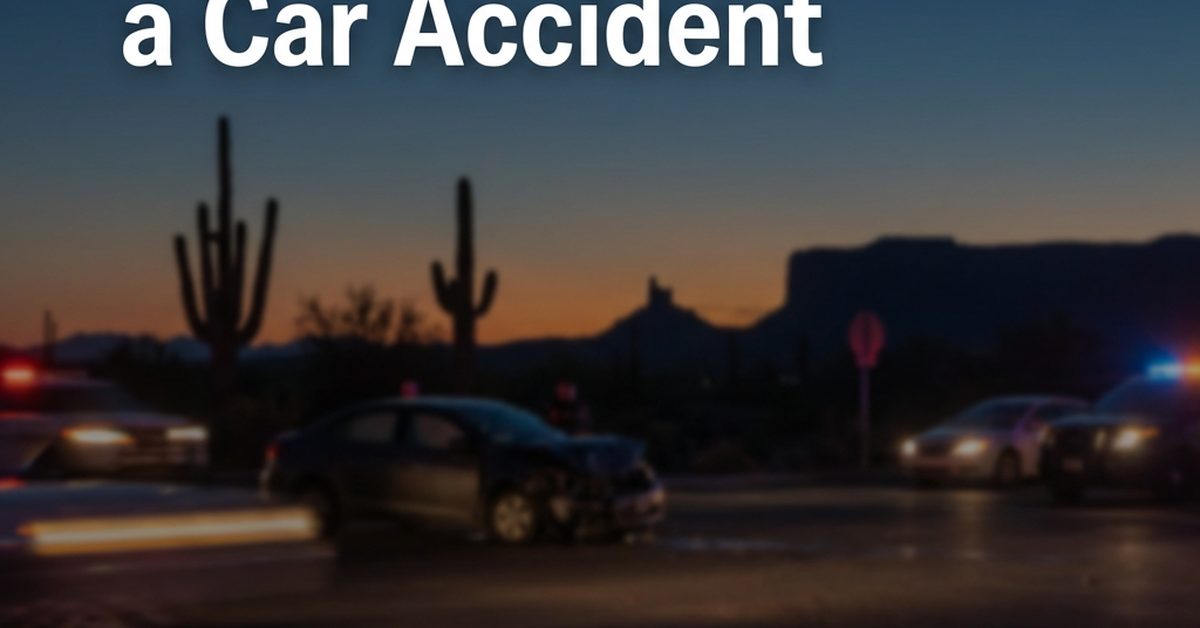
Arizona’s driver manual describes a quick-clearance rule for a crash without serious physical injury or fatality. It says a licensed driver may move a vehicle from the main traveled part of the roadway when the vehicle is safely operable, the movement will not cause further damage, and it will not increase traffic hazards. The manual also says the fact that a vehicle was moved is not, by itself, a basis for fault.
This is not a reason to move a vehicle before it is safe. If the vehicle cannot be safely driven, someone is hurt, the scene is unstable, or responders direct you otherwise, do not improvise. Get clear of danger and follow the directions provided to you.
3. Exchange the basic information and preserve your own record
ADOT’s driver manual lists the information drivers should provide after a crash: driver license number, name and address, insurance company and policy number, witness information, and license plate numbers. A practical way to preserve what happened is to photograph the information you are given, the vehicles, the roadway, traffic controls, visible damage, and the surroundings when it is safe to do so.
- Save original photos and video, rather than only a later text summary.
- Write down the date, approximate time, location, weather, lane or direction of travel, and names of people who saw the event.
- Keep the report number, claim number, tow or repair paperwork, and every letter or email about the crash together.
- Make a dated timeline that clearly separates what you saw from what someone else told you.
Do not try to access another person’s phone, account, or private records. Preserve your own information and ask a qualified professional about lawful ways to identify records that may matter.
4. Know what a collision report can and cannot tell you
A collision report can be an important starting document, but it is not the entire record of a crash. A.R.S. 28-667 describes when an investigating public employee prepares a written report, including crashes involving bodily injury, death, property damage above the statutory amount, or a citation. It also describes a partial report for certain lower-damage crashes. The report may identify time, location, vehicles, witnesses, and an initial description, yet other records can still matter later.
Start with the agency that responded and keep the report number. The Arizona Department of Public Safety collision-report guidance applies to its own reporting process, while city and county processes can differ. Do not assume that a DPS request page applies to every Arizona crash.
5. Keep insurance, treatment, and work documents together
Use one folder for documents that already exist. Include claim numbers, letters, emails, policy pages, repair estimates, tow invoices, rental records, medical instructions, bills, appointment records, work restrictions, and wage or attendance records. Keeping the original document, date received, and sender can make a later conversation more reliable than a memory of a phone call.
If the other vehicle is Arizona registered and you need its insurance information, ADOT’s Insurance Information Request page explains a specific MVD process. It says the person requesting information must have been involved in the crash, needs the official crash report, and submits a notarized request form. That process is distinct from opening an insurance claim and may not apply to every fact pattern.
6. Be deliberate before signing a release or describing the whole situation
A document, recorded conversation, or settlement proposal can arrive before treatment, coverage, vehicle damage, or other facts are clear. Read the actual document, keep a copy of the full communication, and write down the question it raises. A general web page cannot decide what an individual document means or what outcome a particular matter will have.
For a broader overview of accident-related services, see Wood Injury Law’s Arizona car accident resource. If a commercial vehicle was involved, the separate Arizona truck accident resource may help explain why the record-preservation questions can be different.
7. Prepare for a useful private case review
Bring the documents you already have. A short timeline, the report number, insurer or claim contacts, treatment dates, photos, and a list of missing records are enough to begin a focused conversation. You do not need to solve every question first. The goal is to identify the next practical question without turning a general checklist into a prediction about your situation.
Talk through the documents before making a decision.
Bring the information you already have. A private case review can help identify the next practical question, clarify what records are missing, and put the focus back on the facts.
Tell us what happened
Share the basic facts and the records you have. There is no obligation to move forward.
Frequently asked questions
What should I do first after a car accident in Arizona?
Address urgent medical needs and roadway safety first. ADOT’s driver manual says to remain at the scene, assist an injured person, exchange the listed information with other drivers, and call 911 for an injury crash. Follow instructions from emergency personnel at the scene.
Should I move my vehicle after a non-injury crash in Arizona?
ADOT says that, if there has been no serious physical injury or fatality, a safely operable vehicle should be moved from the main traveled roadway when doing so will not cause additional damage or increase traffic hazards. Do not take that step if it is unsafe or if you are directed otherwise at the scene.
What information should I exchange after an Arizona car accident?
ADOT’s driver manual lists driver license number, name and address, insurer and policy number, witness information, and license plate numbers. Preserve your own original photos, video, and documents as well.
How do I get an Arizona collision report?
Start with the agency that responded to the crash and keep the report number. Arizona’s written-report statute describes when an investigating public employee prepares a report, while DPS and local agencies have their own request processes. ADOT’s insurance-information request page also identifies a crash report as a required document for that specific MVD request.