If an Arizona collision involved a city, county, state, school, or other public vehicle, identify the operating agency and seek legal advice early. The vehicle’s markings, unit number, driver information, and incident documents can help. Public-entity claims may have notice and filing rules that differ from an ordinary private-driver claim.
A public logo does not establish which entity employed the driver or controlled the trip. Some services use contractors or leased vehicles. Preserve the identifiers and investigate the relationships rather than assuming that the name on the vehicle answers every legal question.
Record the vehicle and agency identifiers
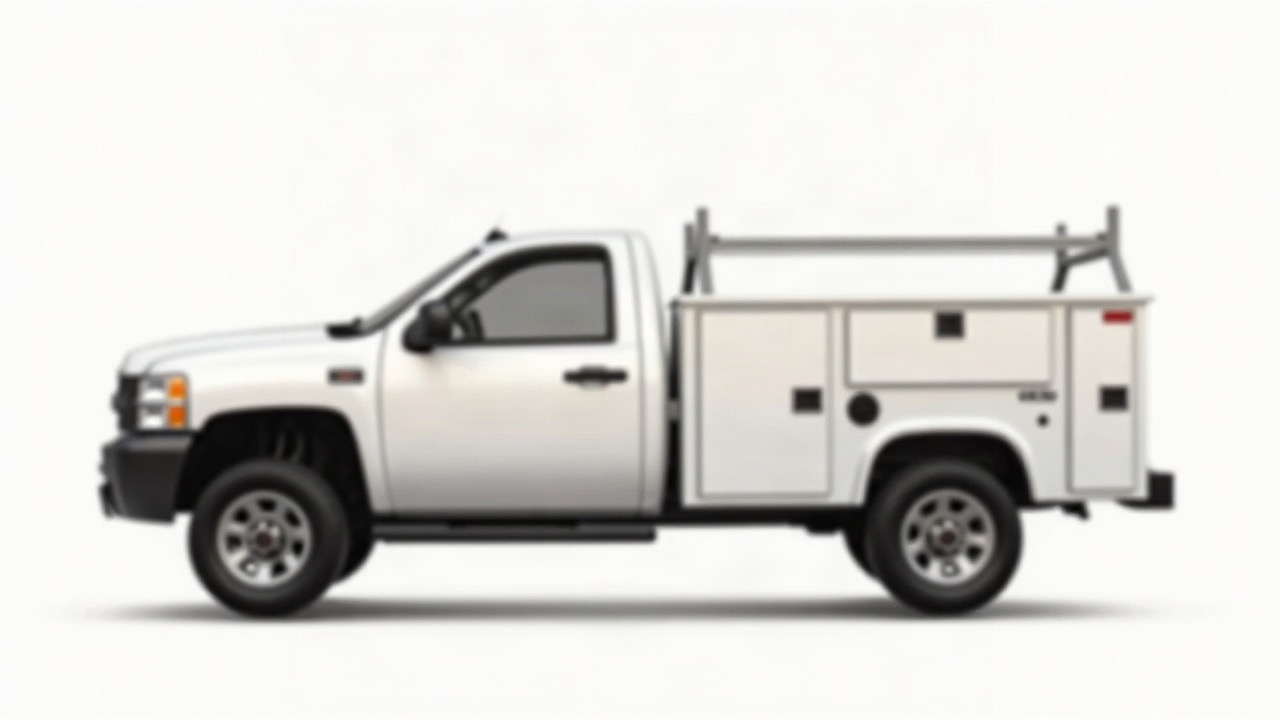
Save photographs already taken of the vehicle, including its plate, unit number, and markings. Keep wide images that show where a number appeared. An internal fleet number may be more useful to an agency than a general description such as “white city truck.”
Record the collision date, time, exact location, and investigating agency. Keep the exchange sheet and report number. If the driver supplied a supervisor or risk-management contact, preserve the original card, email, or written note.
Do not pursue a moving vehicle or enter a restricted facility to photograph it. Existing scene material and official records may provide the identifiers. Tell your attorney which details are missing so the investigation can focus on reliable sources.
Distinguish owner, employer, and operator
A vehicle can belong to one entity while another organization operates a service. A maintenance contractor may use public branding; a public employee may drive a leased vehicle. Those possibilities require verification from records and actual circumstances.
Write each name on a separate line with its source and stated role. For example: “agency name on door,” “employer listed in report,” or “claims administrator identified in email.” Leave uncertain roles unresolved instead of collapsing all contacts into “the city.”
Ask your attorney which documents may clarify the relationship, such as fleet records, service contracts, assignment information, or an agency response. A contractor label does not itself determine whether a public-entity rule applies to a particular defendant or claim.
Understand why prompt review matters
For covered Arizona state-law claims, A.R.S. 12-821.01 generally requires a notice of claim within 180 days after accrual. It addresses proper recipients and requires facts supporting liability, a specific settlement amount, and supporting facts. Accrual, exceptions, and the proper parties need case-specific review.
A.R.S. 12-821 generally sets a separate one-year period for actions against a public entity or public employee. A notice, an insurer’s investigation, and a lawsuit are different steps. Do not calculate your deadlines from a general article or assume a claims conversation satisfies them.
Federal agencies, tribal entities, federal civil-rights claims, and other circumstances may involve different rules. Tell your attorney what you know about the vehicle and employer rather than applying the Arizona state procedure to every organization that appears governmental.
Contact Wood Injury Law if a public vehicle may have contributed to your injury. You can request review before the agency identity is complete; mention that uncertainty and the collision date.
A records request is not a notice of claim
Requesting a police report, reporting a maintenance concern, or emailing customer service serves a different purpose from satisfying a legal claim requirement. Keep those communications, but do not assume they protect a filing deadline or reach the legally appropriate recipient.
Ask your attorney to distinguish the documents by purpose. One request may seek a crash report, another may ask to preserve video, and a formal notice may address a statutory requirement. Their contents, recipients, and proof of delivery may differ.
Arizona DPS provides a records-request process for its materials. The investigating agency and the agency operating the vehicle may be different. Identify both so a request goes to the custodian likely to hold the record.
Look beyond the basic collision report
Depending on the vehicle and service, records may include dispatch information, route assignments, onboard video, maintenance history, and employee communications about the event. Your attorney can evaluate which categories relate to the collision and how to request them lawfully.
Tell the attorney about an onboard camera or vehicle display you noticed, but distinguish observation from assumption. A camera may not have been operating or may cover only part of the vehicle. A public agency’s records procedures do not guarantee that every requested item exists or is releasable.
Preservation questions may require attention before a records response arrives. Give accurate time and location details, including route or unit numbers if known. Keep a log of each request and response so the next inquiry can build on what the agency has already said.
Keep informal contacts useful and factual
A driver or supervisor may apologize, offer a telephone number, or describe an internal process. Record the conversation accurately. Do not treat a courtesy statement as an admission by the agency or an agreement to pay all expenses.
If a claims representative requests documents, verify the person’s role and obtain a claim reference. Save the request and your response. Ask for written explanations of any denial, referral, or request to wait for another investigation.
Illustrative example: a transit employee supplies an incident number while a city claims office says a private contractor operated the bus. Both pieces of information may be useful. The next step is verifying the operator and relevant agreements, not choosing the statement that seems easiest to pursue.
Preserve the ordinary injury evidence too
The agency-identification task does not replace documenting the collision and injury. Keep original photographs, witness contacts, medical records, bills, and work information. Follow medical advice and record changes in your ability to perform usual activities without exaggerating or diagnosing yourself.
If the vehicle moved or repairs began, record what you learned and when. Your attorney may need to coordinate an inspection or identify remaining sources. Do not attempt to access agency equipment or internal accounts yourself.
Our government-liability resource introduces related issues. The Arizona car injury page explains the broader route for discussing collision evidence and losses.
Questions to resolve with counsel
Does a claim number mean the notice requirement was satisfied?
No such conclusion should be drawn from the number alone. Provide the actual submission, attachments, recipient, and delivery proof to your attorney. Compliance depends on the relevant law and facts.
Can I wait for the public-records response before seeking advice?
A pending request does not establish an extension. Bring the request and whatever evidence you already have so the attorney can review deadlines and preservation while the records process continues.
Call Wood Injury Law at (480) 937-2116 to discuss an Arizona public-vehicle injury. The most useful first details are the collision date, vehicle identifiers, agency contacts, and any documents already sent or received.
Keep proof of delivery for material your attorney asks you to send. A saved draft proves what you intended to write, while a delivery receipt or acknowledgment may help establish what reached a recipient and when. Retain attachments exactly as sent and identify any failed delivery or bounced email. Do not resend a formal notice to a guessed recipient without advice; a correct delivery method and recipient can be part of the legal requirement. A separate transmission log makes it easier for your attorney to review those facts without reconstructing them from scattered inbox messages.
Sources
General information; the application of law depends on the facts and relevant policy. Featured image is an AI-generated illustration.