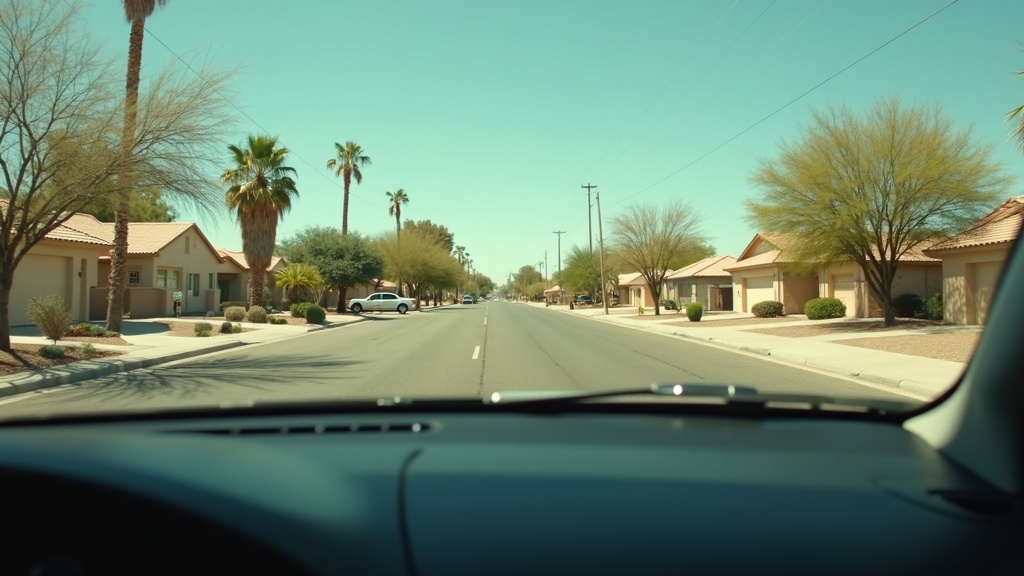
If your claim is worth enough, at some point someone may sit outside your house with a camera. This is a routine part of how larger injury claims are defended, and it is mostly legal.
What they are allowed to do
An investigator may photograph or film you in public, or anywhere visible from a public place. Your front garden, a supermarket car park, a youth football touchline, a gym forecourt. There is no expectation of privacy in those settings.
What they may not do is trespass onto your property, record through a window into your home, or misrepresent themselves to gain entry. Recording a private conversation they are not part of also raises separate legal problems.
How you find out it happened
Usually you do not, until the footage appears during negotiation or in litigation. Occasionally people notice a vehicle parked oddly for hours, or a stranger at the edge of a family event.
Assume it is possible on any claim with real value, and behave accordingly, which mostly means behaving normally and describing yourself accurately.
The footage is almost always short
Surveillance produces hours of nothing and a few minutes of something. The few minutes get shown. A clip of you lifting a shopping bag is presented without the two days you spent afterwards unable to move.
That is the core dynamic, and it is why the answer is rarely to dispute the footage. It is to give an accurate account of your limitations from the beginning, so a snapshot cannot contradict something you overstated.
What actually causes damage
Not the activity itself. The mismatch. If you told an adjuster or a doctor that you cannot lift anything, and there is video of you lifting something, the problem is the sentence, not the lift.
Describe your limitations in terms of consequence rather than absolutes. Saying you can lift a bag of shopping but pay for it the next day is both true and unfalsifiable by a clip.
Social media is the cheaper version
Before anyone hires an investigator, someone reads your profiles. Photographs of a holiday, a hike, a wedding, a gym session. Comments where you say you are doing great. A tagged photograph posted by a relative that you never saw.
Setting profiles to private helps and does not solve it, because content shared to friends can still surface through mutual connections and, in litigation, may be discoverable.
What not to do
Do not delete posts after a claim begins. Deleting material that is potentially relevant to litigation creates a spoliation problem that is far worse than whatever the post showed. It converts an argument about your shoulder into an argument about your honesty.
Stop posting instead. Ask family not to tag you. Decline new connection requests from people you do not know, because investigators do send them.
How this fits Arizona’s fault rules
Under A.R.S. § 12-2505 damages are reduced by your percentage of fault, with no cutoff. Surveillance is rarely aimed at fault, though. It is aimed at the value of the injury, which is the part of the claim that is hardest to document and easiest to attack.
The defence to it is consistency. What you tell the adjuster, what you tell your doctor, and how you actually live should be the same account. Where they match, a video clip is just a video clip.
If you were hurt in Arizona, talk to us before you talk to the insurance adjuster. The case review is free and there is no obligation. Call (480) 937-2116
Free Case Review
Share a few details about what happened. There is no obligation to move forward.