Monsoon and Haboob Crash Liability: Why “The Storm Caused It” Doesn’t Win the Insurance Fight in Arizona
Every July through September, Phoenix metro fills with monsoon storms and haboobs that grind I-10 to a standstill. Drivers tell adjusters “the storm caused the crash.” Arizona law disagrees, and the statute they don’t know about is A.R.S. § 28-851.
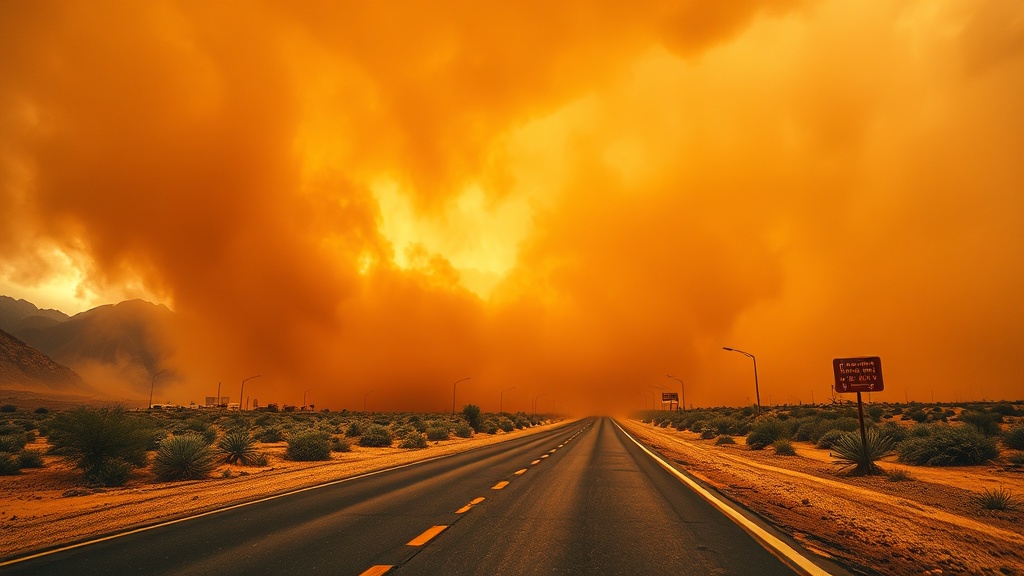
Arizona’s monsoon season is brutal. Microbursts dropping two inches of rain in twenty minutes. Haboobs (wall-of-dust storms) reducing visibility to under fifty feet. Lightning forcing drivers to pull over. Hail damaging vehicles. The crash data from ADOT shows monsoon-related accident counts double during the July-September window.
Drivers crashed during these storms tell their insurance adjusters the same thing: “The storm caused it. Couldn’t see. Acts of God.” Adjusters then try to apply a “no fault” or “comparative weather” framework that reduces or denies the claim.
Here’s what most drivers and many local adjusters don’t realize: Arizona has a specific statute, A.R.S. § 28-851, that addresses driver behavior in dust storms and reduced visibility. Failure to follow it isn’t an excuse. It’s a fault enhancer.
What A.R.S. § 28-851 actually requires
The statute is part of Arizona’s “Pull Aside, Stay Alive” framework. Drivers in conditions of severely reduced visibility have a duty to:
- Pull off the roadway as far as practical
- Stop the vehicle
- Turn off all lights, including emergency flashers
- Take their foot off the brake pedal (so brake lights don’t show)
- Wait until visibility improves
The “lights off” requirement matters: drivers behind think the car ahead is moving and follow the lights, then crash into the stopped vehicle in the dust. This is one of the most common haboob crash patterns.
If a driver caused or contributed to a crash during a monsoon or haboob and didn’t comply with § 28-851, that’s a statutory violation. In a comparative negligence case, statutory violations are powerful evidence of fault.
Why “act of God” defense doesn’t work in monsoon crashes
Insurance companies sometimes try the “act of God” or “force majeure” defense. The argument: the storm was unforeseeable and the crash was caused by the weather, not the driver.
This defense fails in Arizona for monsoon crashes because monsoons are foreseeable. They happen every year. ADOT, NWS, and every news outlet warn about them constantly. Drivers know monsoon season exists. The storm itself isn’t unforeseeable, so the crash caused by failing to react properly to a foreseeable storm is the driver’s negligence, not God’s.
The only times “act of God” gets traction in AZ weather cases are extreme outlier events: a tornado, a derecho-strength microburst, or an asphalt-buckling heat event. Garden-variety monsoon and haboob crashes are driver-fault cases.
The fault hierarchy in monsoon crashes:
- Driver who didn’t reduce speed in heavy rain (most common)
- Driver who failed to pull over in low visibility (§ 28-851 violation)
- Driver who left lights on while stopped (creates phantom-target follow-on crashes)
- Driver who continued at highway speed despite hydroplaning conditions
- Driver who attempted to cross flooded wash (Stupid Motorist Law adds liability)
Each layer is a fault enhancer, not an excuse.
Hurt in a monsoon crash? “It was the storm” isn’t a defense. Call (480) 937-2116.
Arizona’s “Stupid Motorist Law” and flooded washes
A.R.S. § 28-910 — the Stupid Motorist Law — makes drivers liable for the cost of their rescue if they drive around barricades into flooded areas. This isn’t directly a personal injury statute, but it surfaces in PI cases where:
- A driver enters a flooded wash, gets swept, and a passenger is injured (driver is negligent)
- A rescue worker is injured pulling out a stuck driver
- A subsequent driver crashes trying to avoid the flooded vehicle
If the at-fault driver in your crash drove past warning signs into flood conditions, the Stupid Motorist Law is direct evidence of negligence beyond the basic comparative analysis.
Heat-related vehicle failures during monsoon season
The monsoon overlap with peak summer creates a second crash pattern: heat-induced vehicle failures. Tire blowouts from over-pressure (hot pavement plus cold rain creates rapid pressure changes), brake fade from heat stress, transmission failures, AC compressor failures causing distracted driving.
If your crash involved a vehicle component failure during monsoon conditions, additional liability may attach to:
- The vehicle manufacturer (defective component)
- The repair shop (negligent maintenance)
- The previous owner (if used vehicle was sold without disclosed defects)
- The fleet operator (if rental, work vehicle, or rideshare)
What to do after a monsoon-related crash
- Get out of the storm. Move yourself and other injured to safe shelter (off shoulder if possible).
- Document weather conditions immediately. Time-stamp photos of standing water, dust visibility, and vehicle positions. NWS will have weather data later but your photos contemporaneously prove conditions.
- Call 911 even for “minor” crashes. Monsoon-related crashes often involve hidden injuries (hydroplane impact creates whiplash patterns).
- Note any witnesses. Witnesses scatter fast in storms; capture names and numbers before they leave.
- Don’t admit fault to “the storm.” Stick to facts. Let your lawyer apply the legal framework.
- Request the police report. Officers should note weather conditions, but you’ll want to verify and supplement.
- Get medical attention even if you feel fine. Adrenaline masks injury; ER documentation is essential.
Frequently asked questions
What if the driver who hit me said “I couldn’t see anything in the dust”?
That’s an admission, not a defense. § 28-851 required them to pull over. Their failure to do so is the negligence.
Can I sue the trucking company if the truck driver didn’t pull over in a haboob?
Yes. Commercial trucking is held to a higher standard. FMCSA regulations require professional drivers to operate within visibility limits. A haboob crash by a semi is a strong commercial vehicle case.
What if my own driver caused a crash because they kept driving in the storm?
Passengers can sue drivers who caused crashes by negligence. If you were a passenger and your driver ignored monsoon warnings or kept moving in zero-visibility, your driver’s auto policy is the source of recovery.
Does Arizona’s “no fault” car insurance system change this?
Trick question — Arizona is not a no-fault state. AZ uses the traditional “tort” or “fault-based” system. The at-fault driver’s insurance pays.
The bottom line
Monsoon and haboob crashes are driver-fault cases more often than not. The statute, the foreseeability of monsoon season, and the well-publicized “Pull Aside, Stay Alive” rule all combine to defeat the “storm caused it” defense. Don’t let an adjuster reframe your case as nobody’s fault.
Free Monsoon Crash Review
We dig the weather data, the police report, and the statutory analysis. Five-minute call tells you what your case is actually worth.
Related: AZ Car Accidents | AZ Truck Accidents | AZ Right of Way